
Sustainable Packaging Solutions for Your Brand
Environmentally responsible packaging that protects your products while protecting our planet.






What is Eco-Friendly Packaging?
Eco-friendly packaging reduces environmental impact by using recyclable, biodegradable, or compostable materials and sustainable production practices, while keeping products safe and high-quality. It also helps brands meet sustainability goals and appeal to conscious consumers.
Typically, eco-friendly packaging will:
- • Reduce overall waste
- • Incorporate recycled or biodegradable materials
- • Utilize renewable energy in manufacturing
- • Be safe for both consumers and the environment
- • Maintain efficiency, cost-effectiveness, and product protection
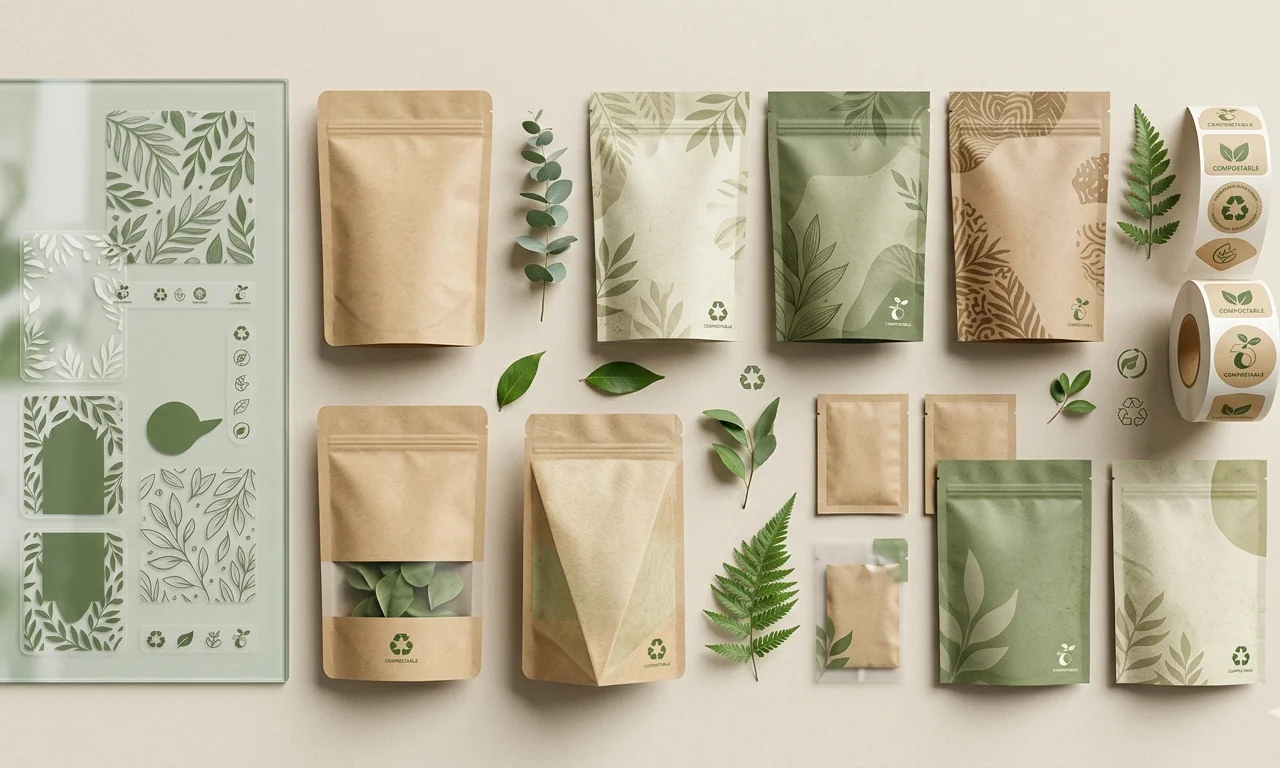
Sustainable Packaging Options
Eco-friendly solutions that protect products and the planet.

Recyclable
Recyclable materials retain useful properties after use and can be remanufactured into new products, usually one additional time.

Compostable
Compostable packaging breaks down within 180 days under controlled heat, humidity, and microbes, usually at a commercial composting facility.

Biodegradable
Biodegradable materials naturally break down in the environment without needing special conditions, making them truly sustainable.

Reusable
Reusable packaging is designed to be used multiple times, reducing waste and offering a sustainable alternative to single-use containers.
Sustainable Packaging Strategies
There are many ways for businesses to adopt sustainable packaging, from plant-based labels and bioplastics to compostable pouches and reusable containers. Choosing the right materials and solutions can reduce environmental impact, enhance brand reputation, and meet the growing demand for eco-friendly products.
Paper and Cardboard
Paper and cardboard are widely used in packaging and are naturally eco-friendly. There's no need to replace your boxes, as these materials already offer a sustainable packaging solution.
Bioplastics
PLA (polylactic acid) is made from fermented plant starches, such as corn, sugarcane, or sugar beet pulp. It is food-safe, transparent, stiff, odor-resistant, and easily printable.
Corrugated Bubble Wrap
Although not sold here, corrugated bubbles made from 100% recycled cardboard are a recyclable and compostable alternative to plastic bubble wrap and Styrofoam.
Eco-Friendly Mailers
Our bio-based, recyclable, and compostable poly mailers are durable for shipping and can break down in as little as 90 days, reducing landfill impact.
Frequently Asked Questions
Find answers to common questions about our eco-friendly packaging options and sustainable solutions.
Truly eco-friendly packaging uses materials that are recyclable, biodegradable, or compostable, and is produced using sustainable manufacturing processes. It minimizes environmental impact throughout its lifecycle while maintaining product protection and quality standards.
No, they're different. Biodegradable materials break down naturally over time, but the timeframe can vary greatly. Compostable materials break down within 180 days under specific controlled conditions (heat, humidity, microbes) and leave no toxic residue.
Initially, some eco-friendly materials may have higher upfront costs, but they often provide long-term savings through improved brand reputation, customer loyalty, and potential tax incentives. Costs are also decreasing as sustainable materials become more mainstream.
Yes! Modern eco-friendly packaging materials are engineered to provide excellent barrier properties, moisture resistance, and product protection. Many sustainable options actually outperform traditional materials while being environmentally responsible.
Still have questions?
Our packaging experts are ready to help you with any specific questions about materials, design, regulations, or your unique packaging needs.
Contact Our Packaging Experts