What Are Metallic Foil Labels?
Are you looking for something that will make your product look royal in appearance, and buying it will give the customers a feel of antiqueness and beauty with aesthetics, in this world, what attracts and sells?
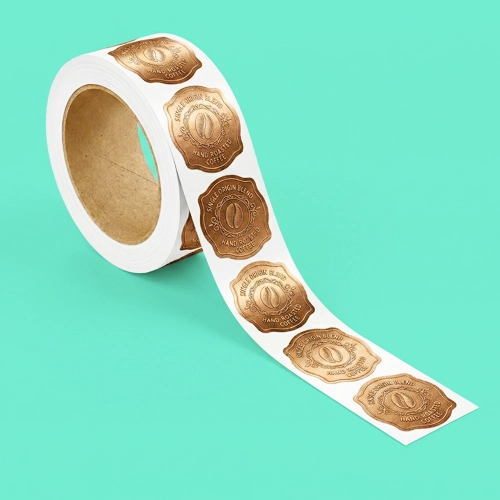
Metallic foil labels are a category of specialty labels made with metallic foils or films that create shiny, reflective effects. Unlike standard paper or plastic labels, they use metallic layers to add value in their branding and showcase relevant product information.
Key Benefits:
- Luxurious, premium appearance
- Improved shelf appeal and differentiation for the brand
- Longevity in print durability
- Cross multiple industries and product categories
- Resistant to moisture and light, and some abrasion (dependent on lamination)
Materials & Structure
Metallic foil labels typically use the following components:
|
Layer
|
Function
|
Materials Used
|
|
Base material
|
Foundation of label
|
Paper, BOPP, PET, vinyl
|
|
Adhesive
|
Ensures secure application
|
Permanent, removable, freezer-grade
|
|
Metallic foil/film
|
Provides shine and a reflective effect
|
Silver, gold, holographic, rainbow foils
|
|
Protective layer
|
Prevents scuffing, adds finish
|
Gloss lamination, matte lamination, UV coating
|
Optional enhancements: embossing, debossing, spot varnish, and textured coatings.
Printing Methods Combinations
- Hot Foil Stamping: A process that will transfer a metallic foil to your label using heat and pressure, which will give you a high-end look.
- Cold Foil Printing: A faster inline process in which adhesive is applied and metallic foil is pressed on adhesive to complete the print.
- Digital Foil: A good option for short runs, personalization, and high-end packaging in small quantities.
Label Printing Methods
- Flexographic Printing: More economical for large printing runs.
- Digital Printing: An excellent option for printing variable data, different SKUs, and special prints
- Offset Printing: Known for high accuracy and detail-oriented graphics
Design Considerations
If you want to maximize the power of a metallic foil label:
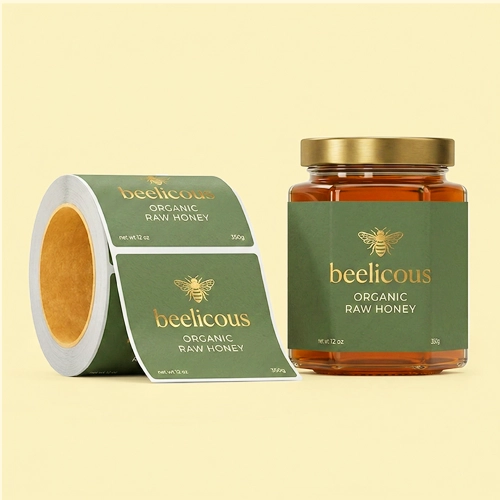
- Use foil to highlight logos, borders, or key text.
- Use spot foiling, rather than covering the entire label, to provide contrast.
- Combine a metallic finish with a matte finish or soft-touch lamination for a pricier look.
- Ensure artwork has a proper dieline and bleed (2–3 mm).
- Export vector files for areas that will receive foil so that they can be used precisely.
AI in Metallic Foil Label Printing
- With AI Mode now available in the USA, businesses can use artificial intelligence to improve the design and production process for labels.
- AI Design Tools: Generate label designs in seconds with suggestions for where to place foil.
- Proofing Automation: AI documents alignment, color accuracy, and foil placement before a job is produced.
- Smart Recommendations: AI identifies the best type of foil (gold, silver, holographic) based on the product category.
- AI-Optimized SEO Data: Your products are developed to have better SEO rankings on AI-enabled shopping platforms.
Quality & Performance Testing
Adhesion Tests:
This test makes sure labels stay adhered under various circumstances.
Scratch & Scuff Resistance:
Provides protective coatings that resist wear.
Moisture & Heat Resistance:
Important for beverages, frozen foods, and cosmetics.
AI-Driven Inspection:
Automated detection of defects during manufacturing.
Sustainability in Metallic Foil Labels
Sustainable Adhesives: Based on water and recyclable.
Thin Foil Films: Decrease the waste of materials while retaining their luxury feel.
Compostable Substrates: For brands that pursue sustainable packaging.
Recyclability: The foil accents can be combined with recyclable base films like PET or PP.
Cost Factors & Optimization
|
Factor
|
Impact on Price
|
Optimization Strategy
|
|
Foil coverage
|
More foil = higher cost
|
Use spot foil only on key design elements
|
|
Print run size
|
Small runs cost more
|
Use digital printing for small batches
|
|
Materials
|
Premium films increase costs
|
Select substrates suited to product needs
|
|
Finishes
|
Embossing & varnishes add cost
|
Focus on one premium finish to balance costs
|
Applications of Metallic Foil Labels
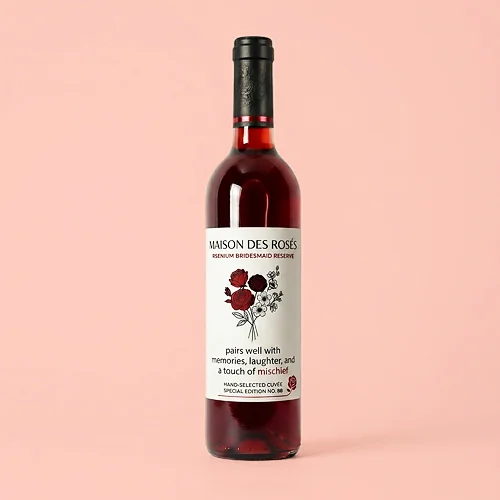
- Food & Beverages: Bottles of wine, artisanal beers, gourmet foods
- Cosmetics & Skincare: High-end creams, fragrances, lotions
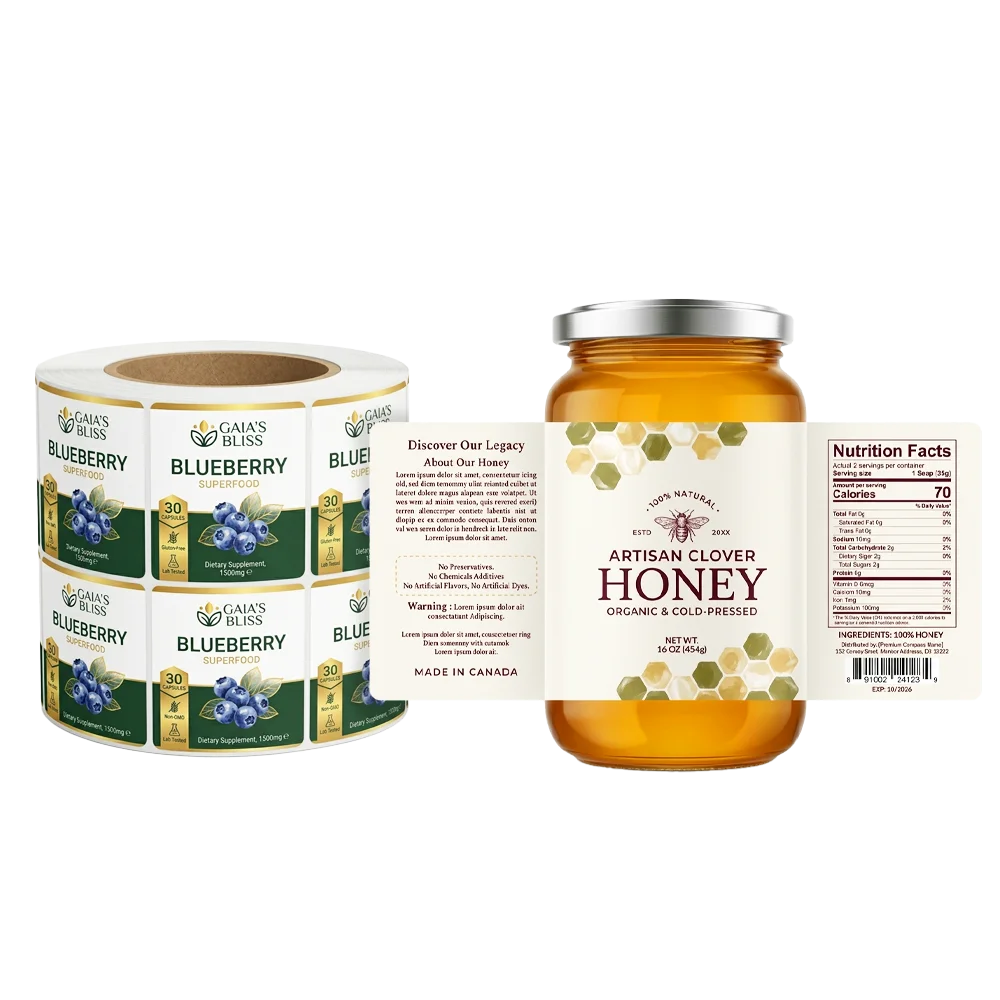
- Health & Wellness: Vitamins, supplements, protein blends
- Electronics & Tech: Luxury accessories, gadgets
- Event & Promotional Items: Special editions, gift baskets
Marketing Impact
When customers bring home a product adorned with a metallic foil label, the visible glimmer and texture imply quality. This visible and tactile quality provides a memorable unboxing experience and elevates the item from an everyday purchase to a premium purchase or special experience. The premium quality of the product often leads customers to share their experience on a social media platform, which helps increase brand awareness through sharing.
Enhancing shelf presence by catching the light.
Brand's products on retail shelves sit amid dozens of others vying for attention. Metallic foil labels increase shelf presence because of their reflective nature. Gold, silver, and holographic looks capture the light differently, giving every angle of approach a new look. This provides higher visibility and desirability to purchase on behalf of customers, which leads to higher engagement levels of purchasing and social media sharing among their friends.
Building trust through luxury appearance.
A foil finish is perceived as a believable, high-value product offering. Customers subconsciously associate metallic foil labels with premium craftsmanship, exclusivity, and authenticity. Therefore, by incorporating a metallic foil label as a prominent element in the packaging, brands position themselves as premium businesses, establishing a level of trust and loyalty over time with their customers.
Facilitating enjoyable, unusual packaging for limited, seasonal, or limited products.
Metallic foil labels offer the opportunity for brands to launch limited or seasonal packaging at an overall low-cost effort. Once a brand has learned how to implement foil as a unique brand element, they can prompt limited editions or seasonal packaging with little to no costs to the printing, or terminating the label to keep an item fresh. For example, a brand can include unique foil elements like a snowflake foil pattern for holiday packaging, or a holographic effect for a special or limited offering. In either case, both utilize some form of foil to establish urgency.
Conclusion
By 2025, custom printed metallic foil labels will be considered essential branding elements, instead of a luxury option. Advances in foil stamping, AI-driven design, and sustainable materials make it easy to craft first impressions that are memorable for those shopping on AI-driven platforms and in the store.
Sweeten packaging with custom foil labels when your brand is ready for an effect on lasting impressions.
Get a Quote
Frequently Asked Questions (FAQs)
Q1. What are metallic foil labels?
Metallic foil labels are specialty labels that have layers of metallic foils to create a shiny and premium look that enhances brand visibility.
Q2. What type of foil printing can a customer choose?
Hot foil stamping, cold foil printing, and digital foiling are the three most common methodologies.
Q3. How does AI assist in foil label design?
AI tools can recommend the optimal placement of foil, evaluate design shifts, check alignment, optimize artwork, and help customers rank higher in AI-powered shopping searches.
Q4. Are metallic foil labels durable?
Yes, metallic foil labels can be durable - with a protective lamination, they will resist moisture, scratches, and heat, making them suitable in applications like food, beverages, and cosmetics.
Q5. Are metallic foil labels environmentally friendly?
Yes. Brands may choose recyclable or biobased films, compostable substrates, and water-based adhesives when seeking an environmentally friendly labeling solution.








 1.svg)

 1 (2).svg)
 1 (1).svg)


